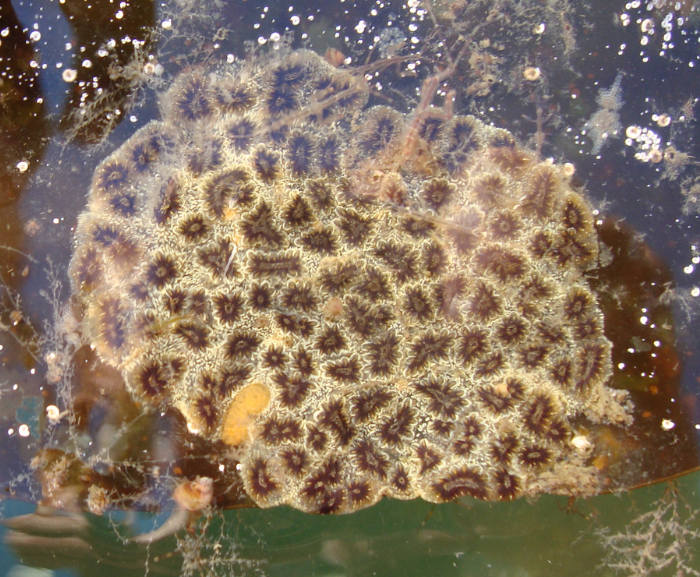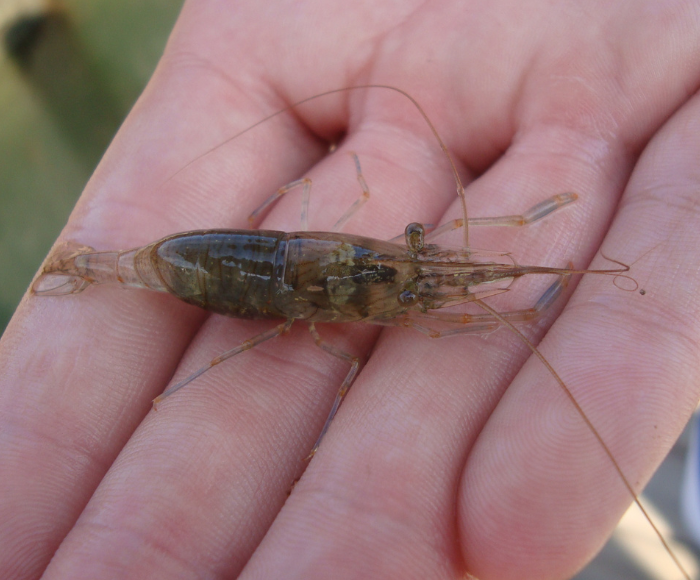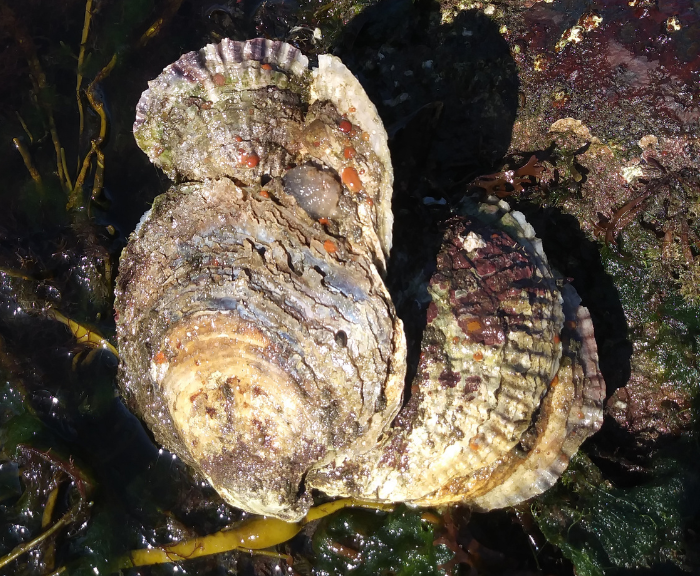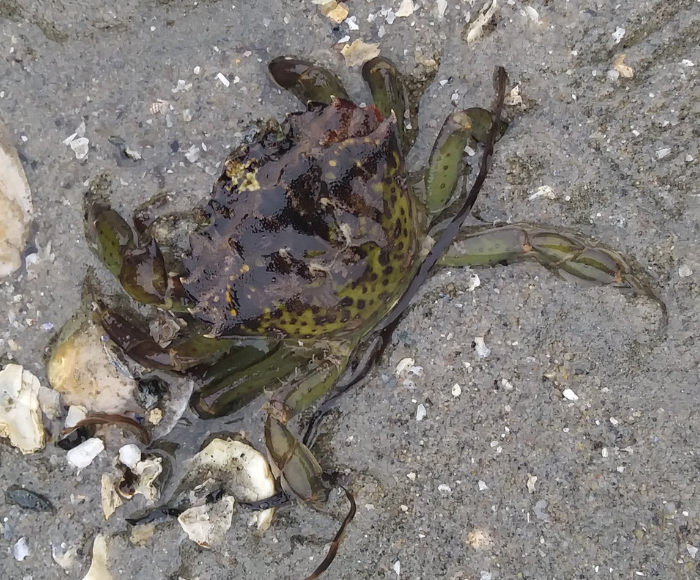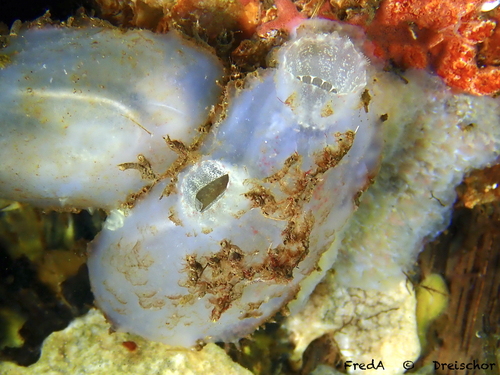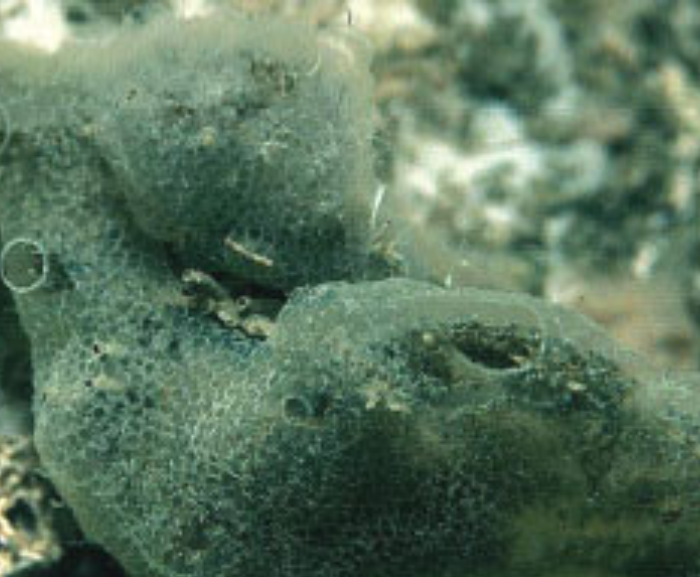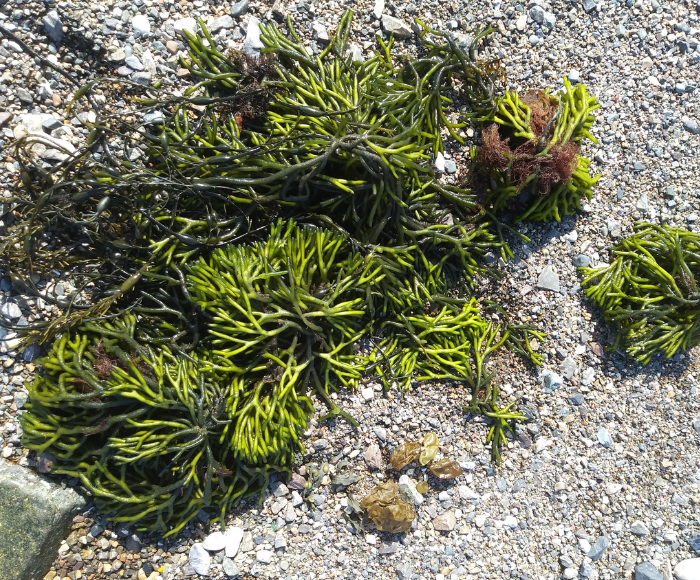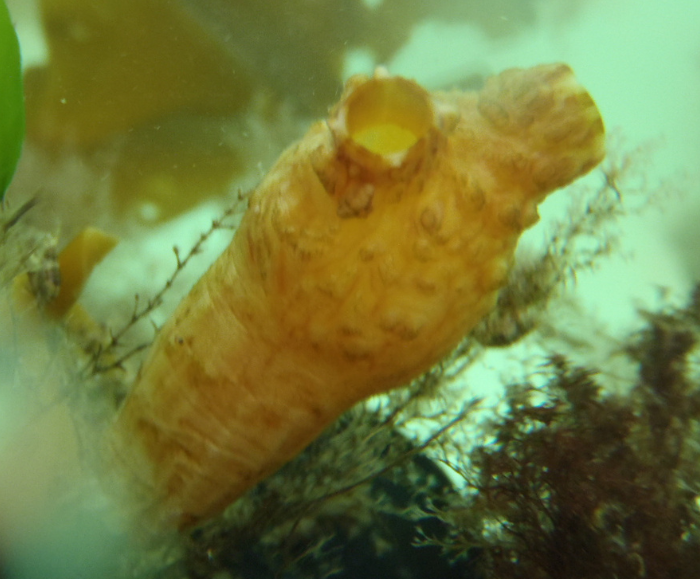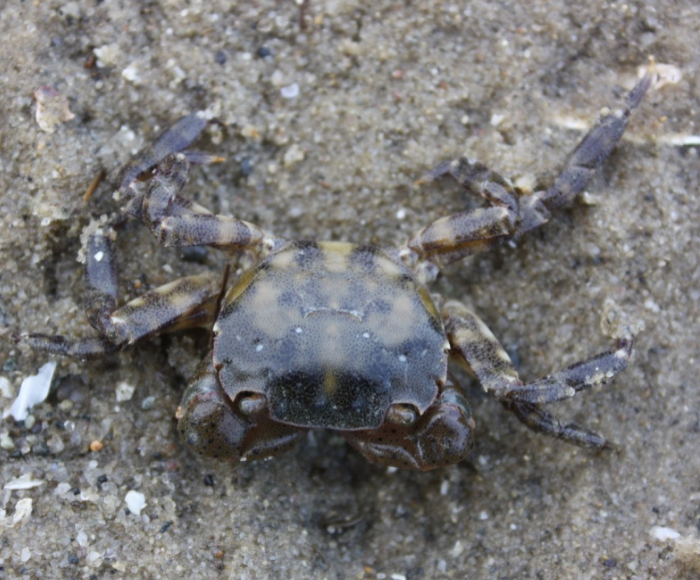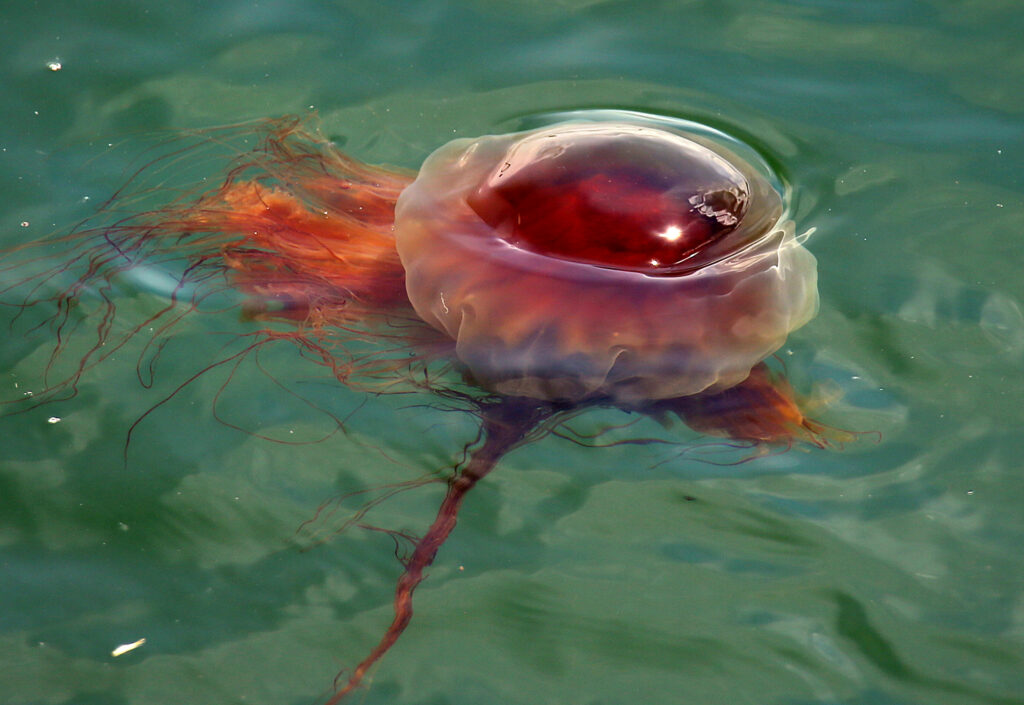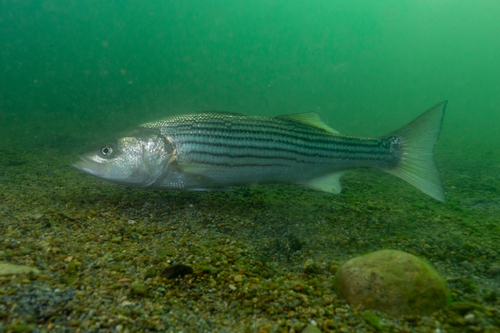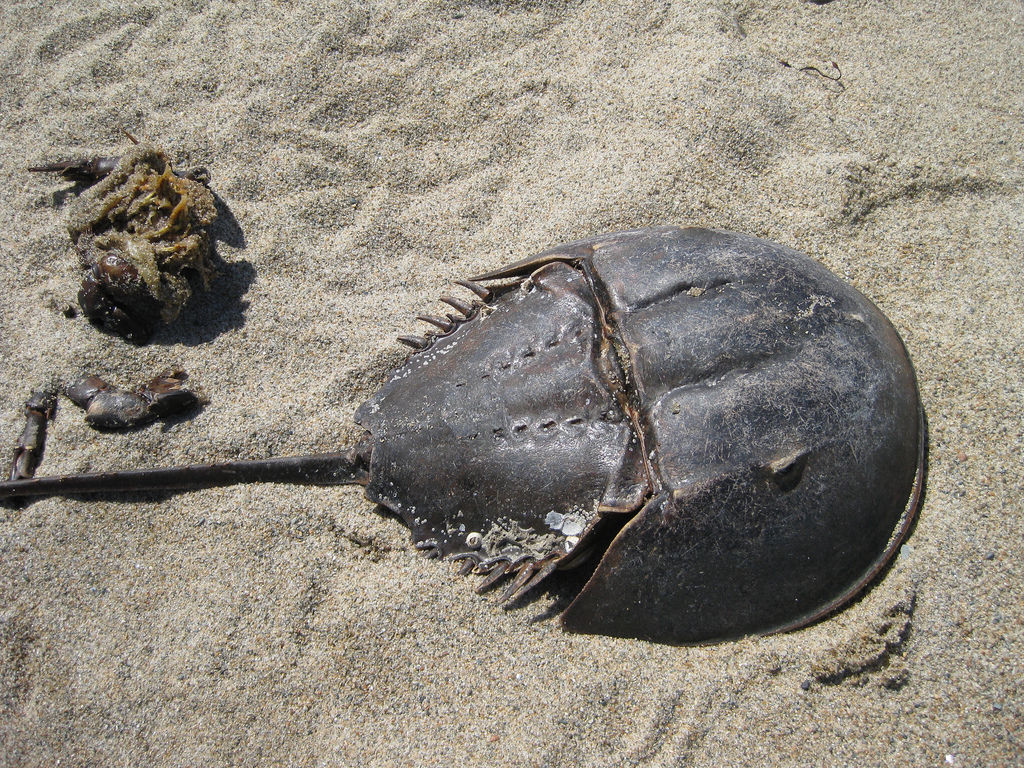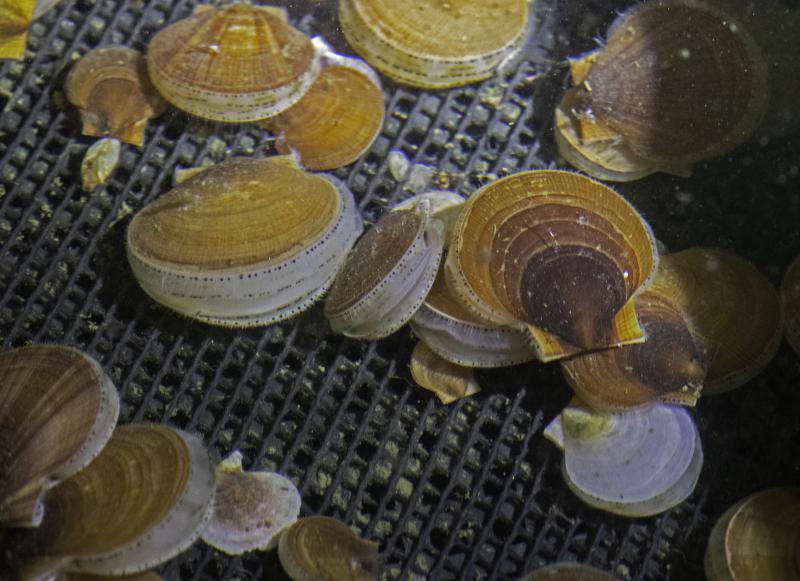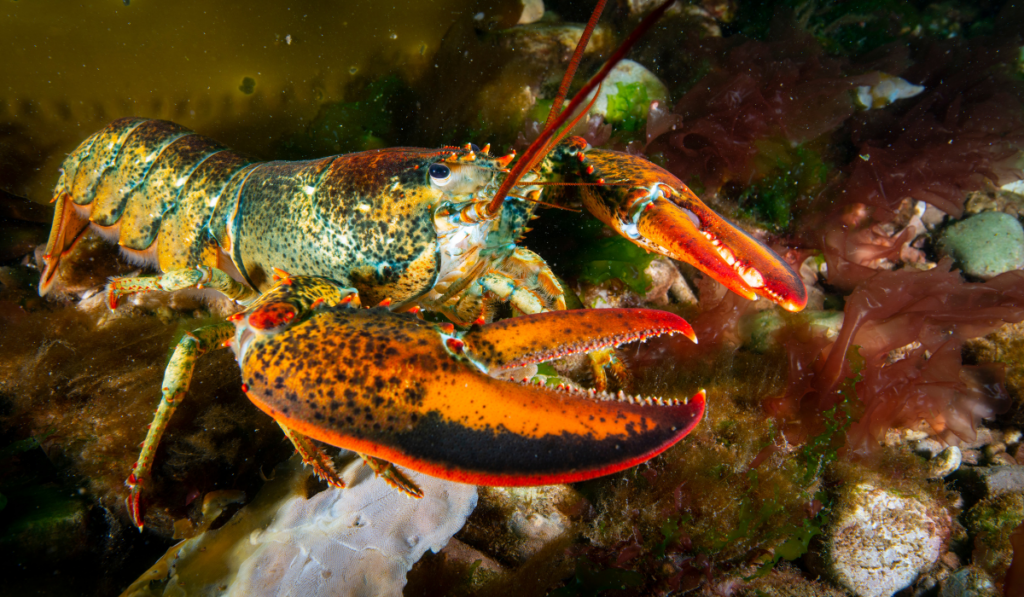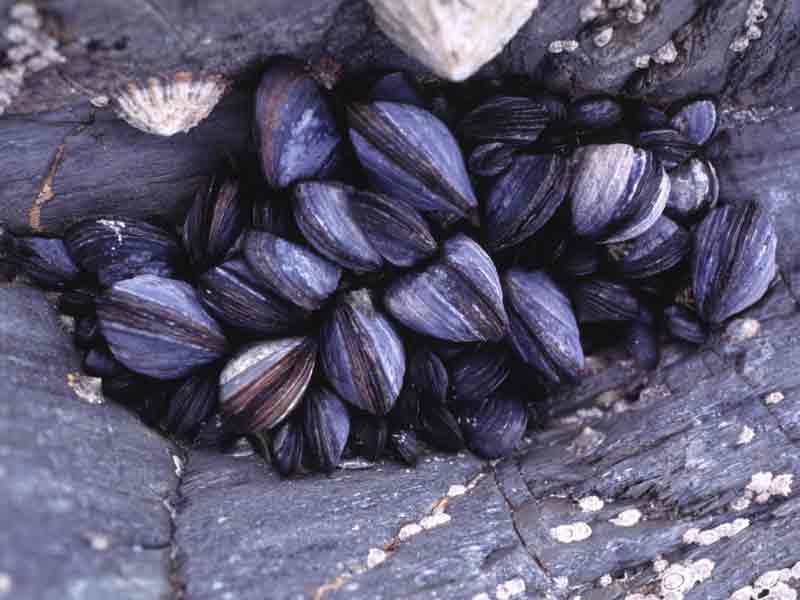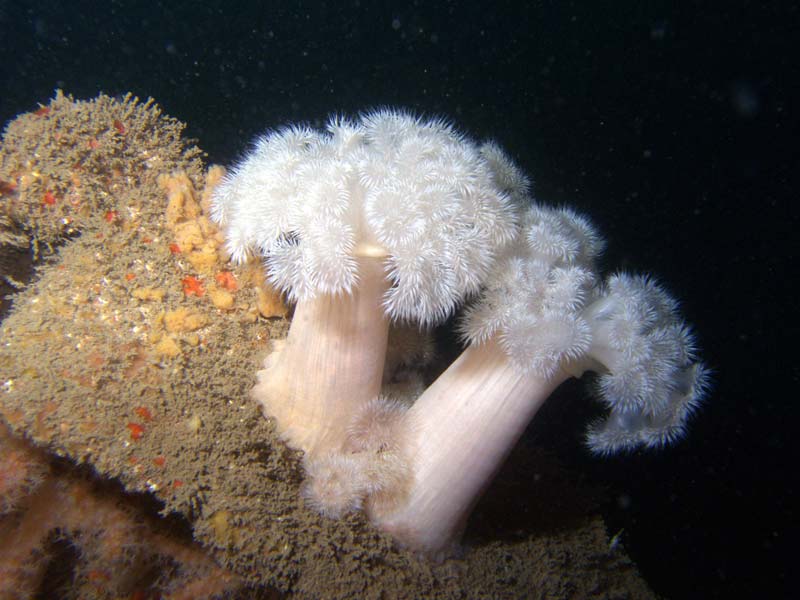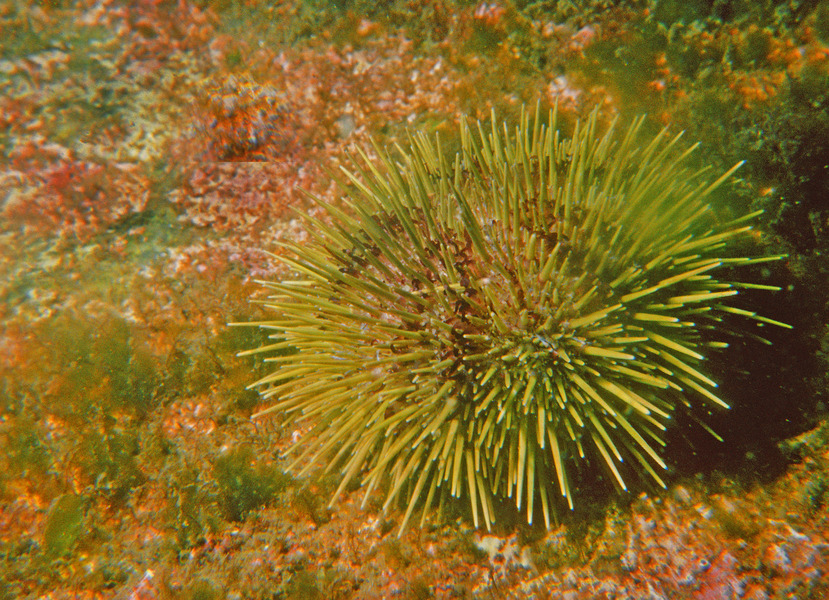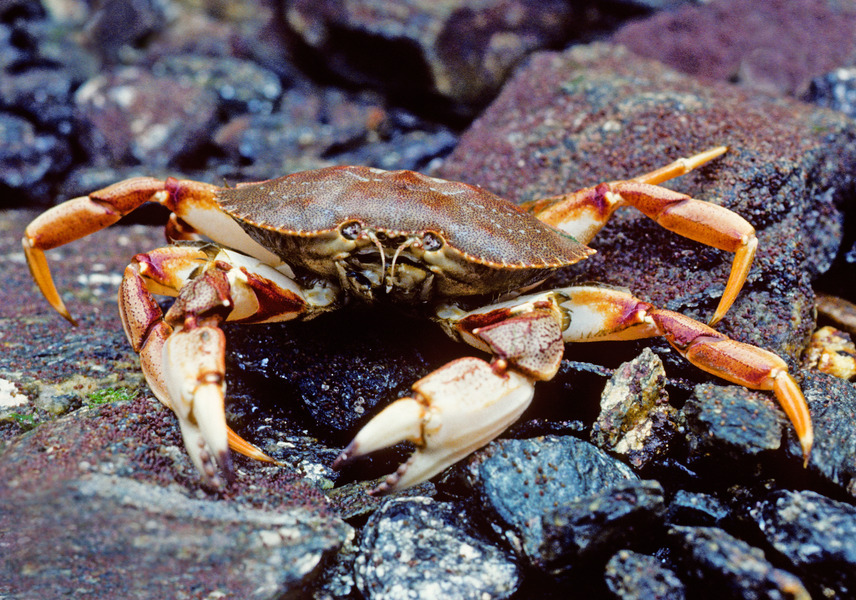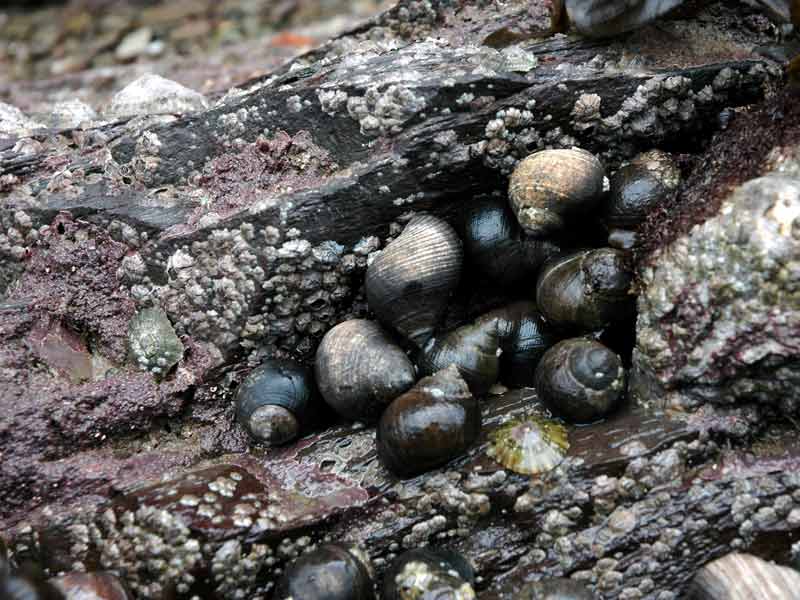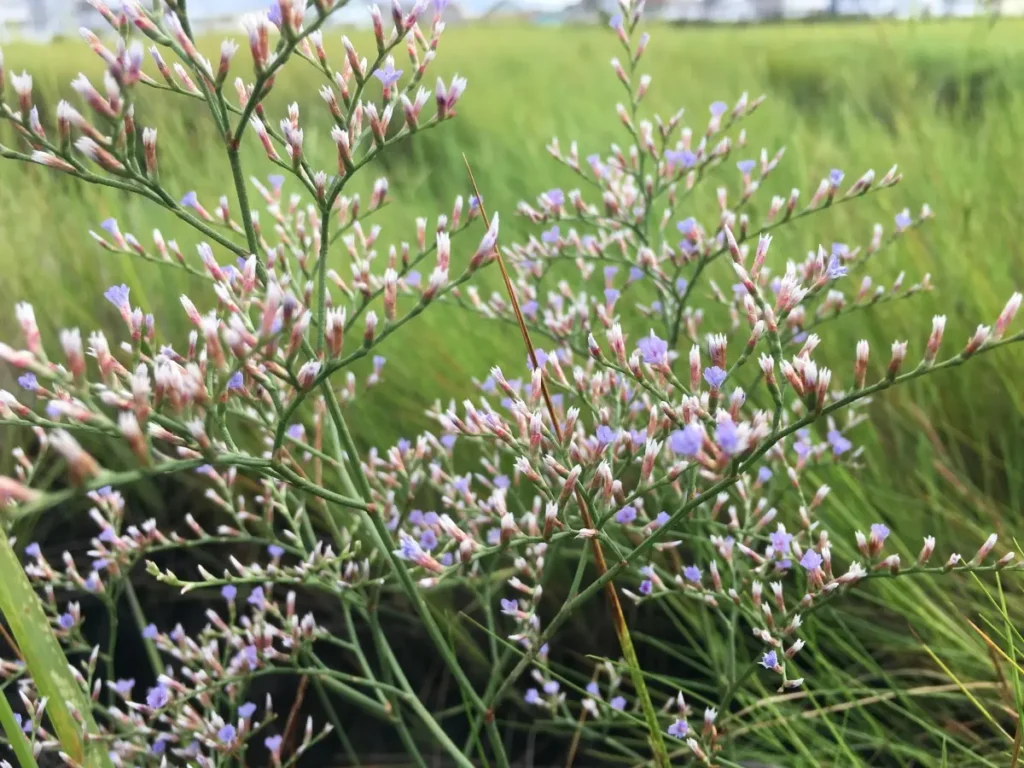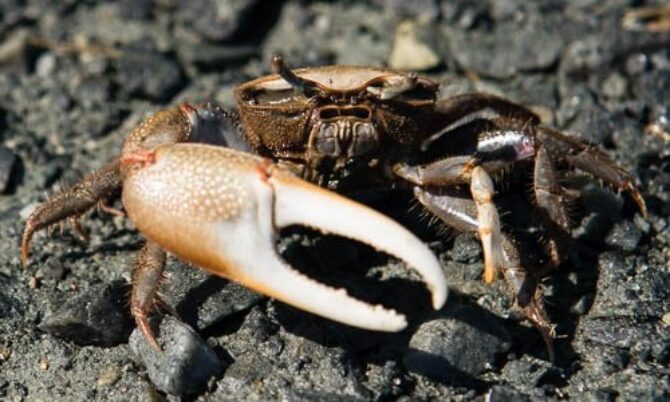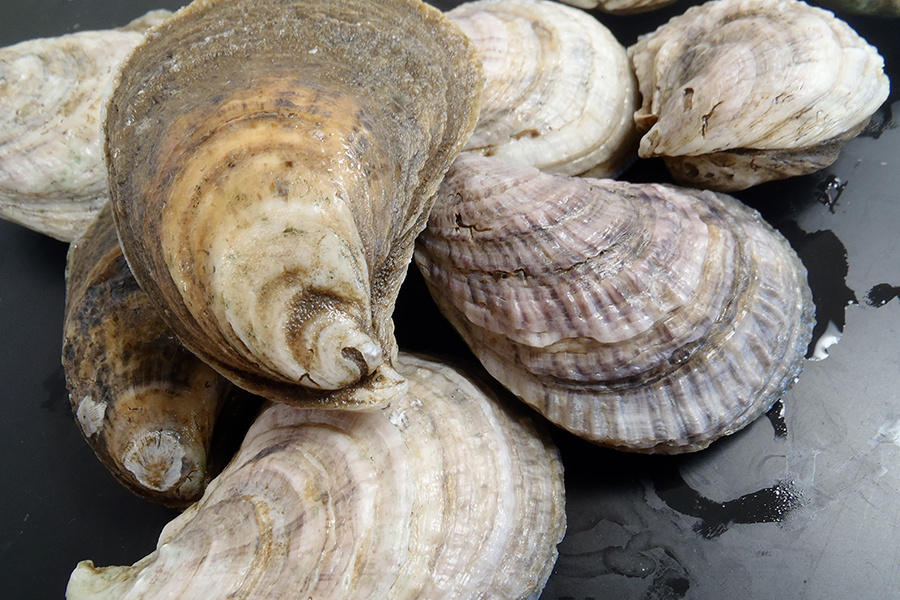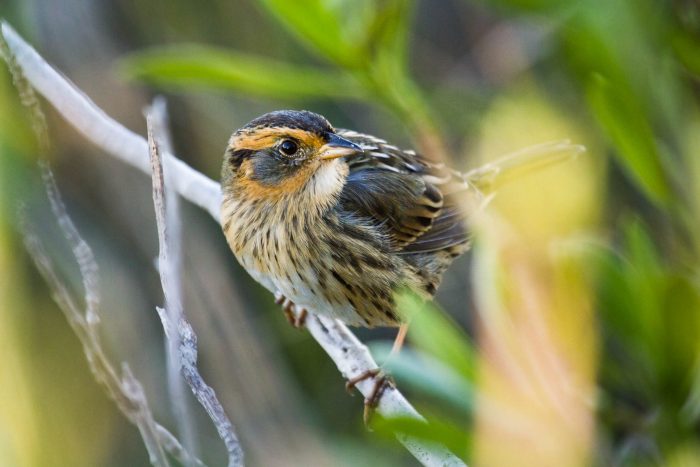
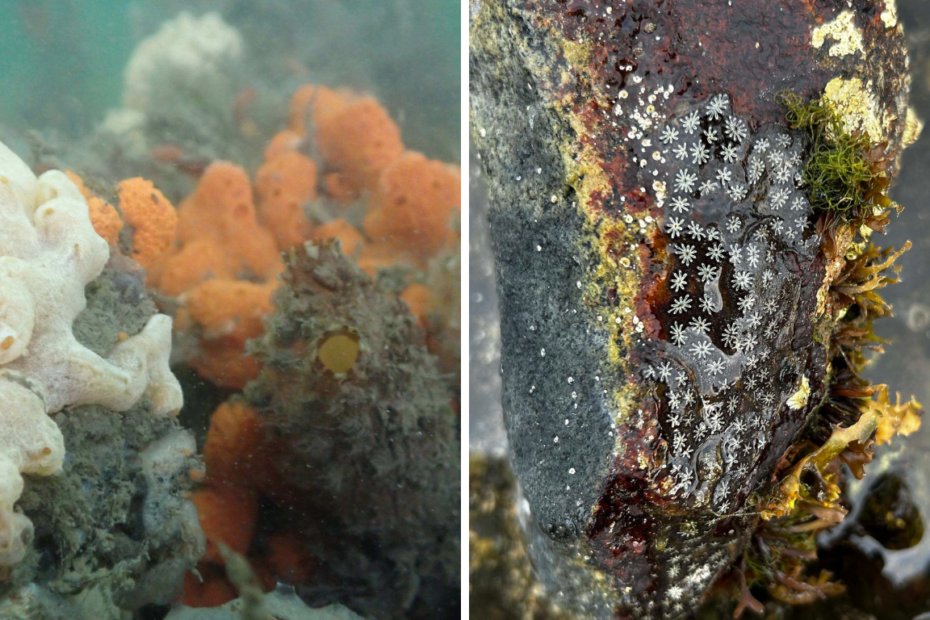
A summer morning on the coast is the perfect time to explore a tidepool. For Salem Sound Coastwatch’s research team, it’s also an opportunity to look closely at what’s living there and what might not belong.
For the past 18 years, Salem Sound Coastwatch staff and volunteers have spent the summer searching the shoreline for invasive marine species throughout Salem Sound. This work is part of the Massachusetts Office of Coastal Zone Management’s (CZM) Marine Invader Monitoring and Information Collaborative (MIMIC), a participatory science program celebrating its 20th anniversary this year. MIMIC brings together volunteers and scientists to monitor invasive species across the Northeast, from Rhode Island to Canada.
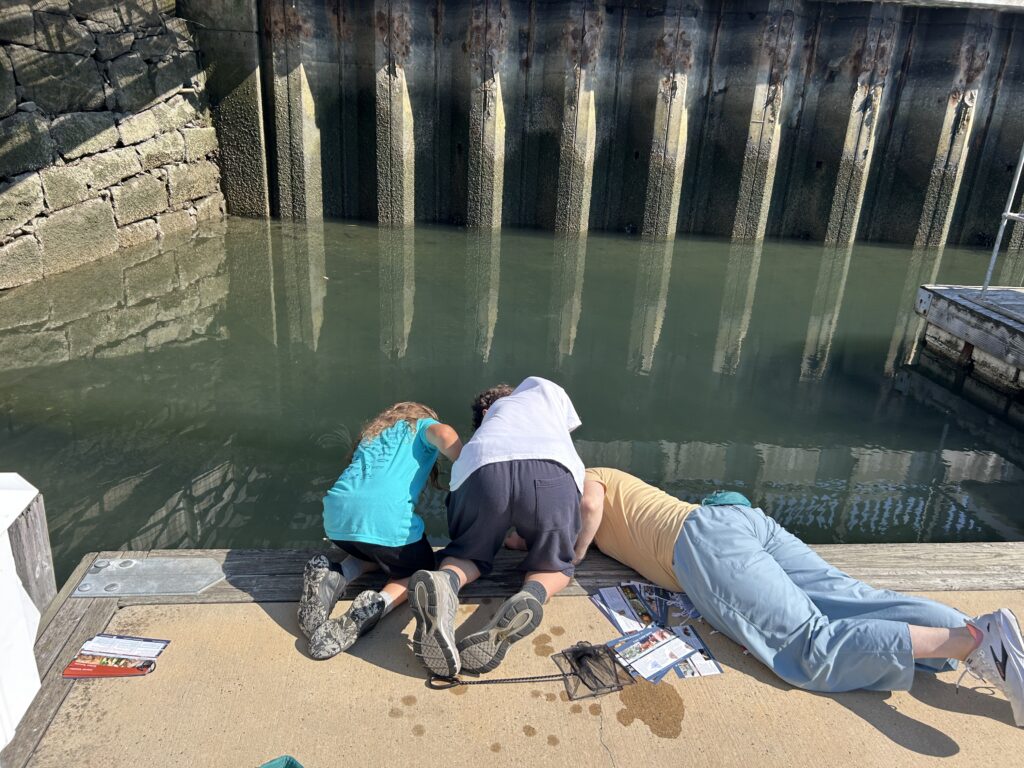
From June through August, Salem Sound Coastwatch monitored five sites, across Salem Sound: Winter Island in Salem, Harvard Street Beach in Marblehead, Lynch Park and the Public Pier in Beverly, and White Beach in Manchester-by-the-Sea. These sites are part of over 180 sites where MIMIC occurs.
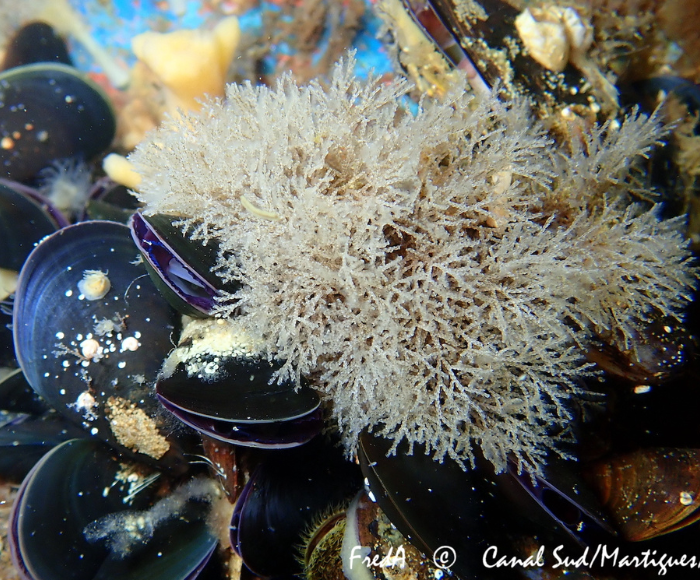
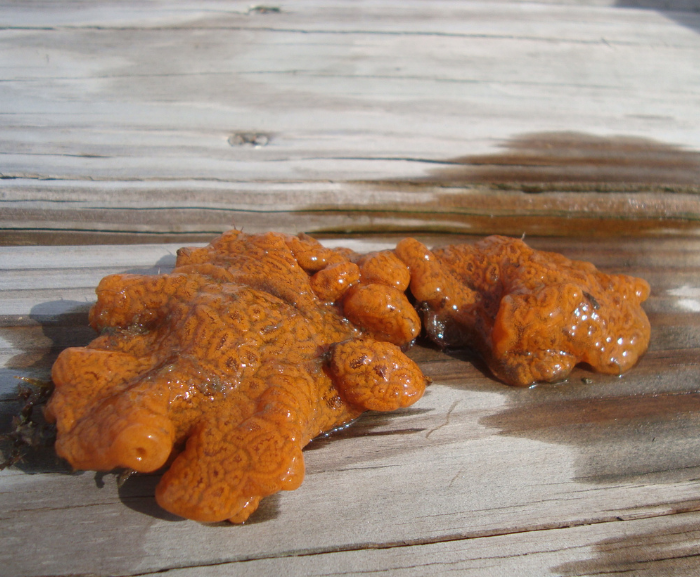
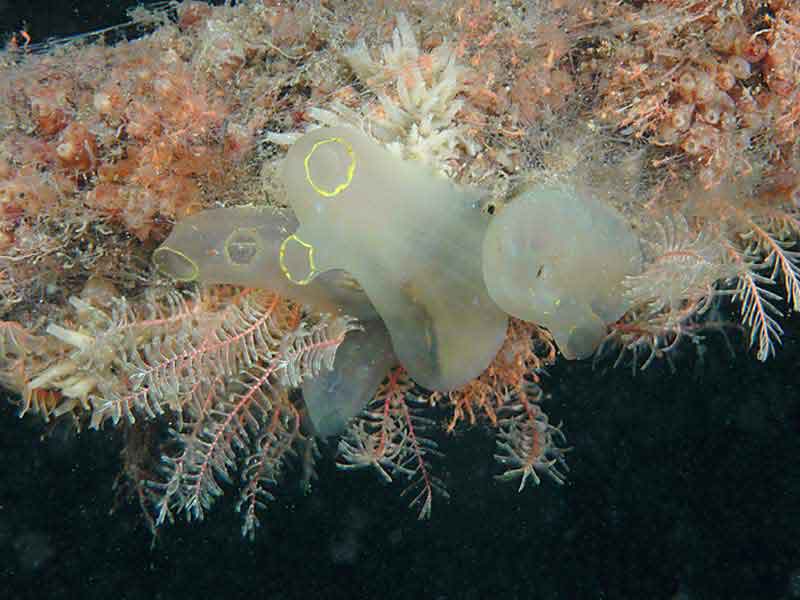
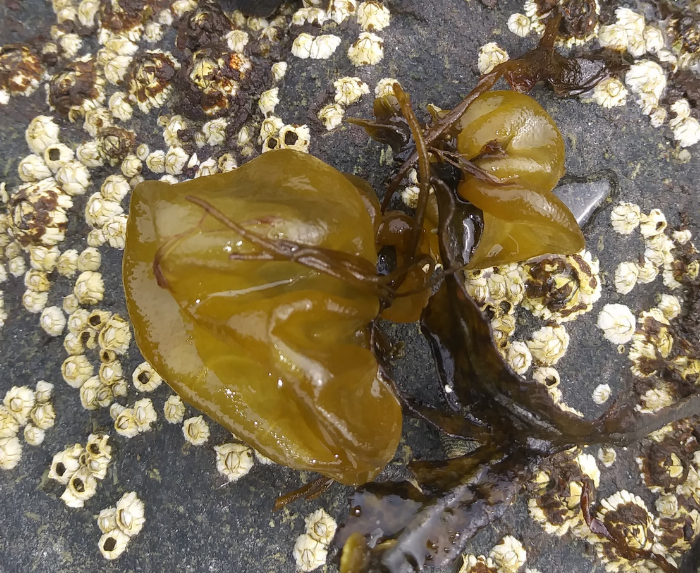
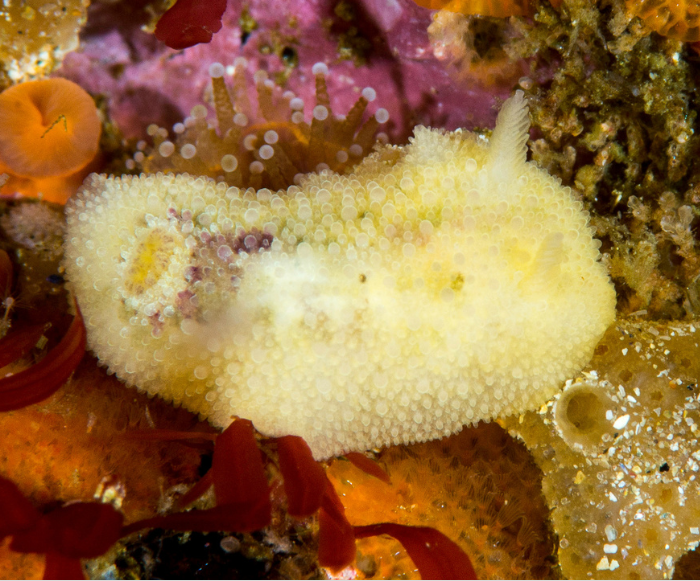
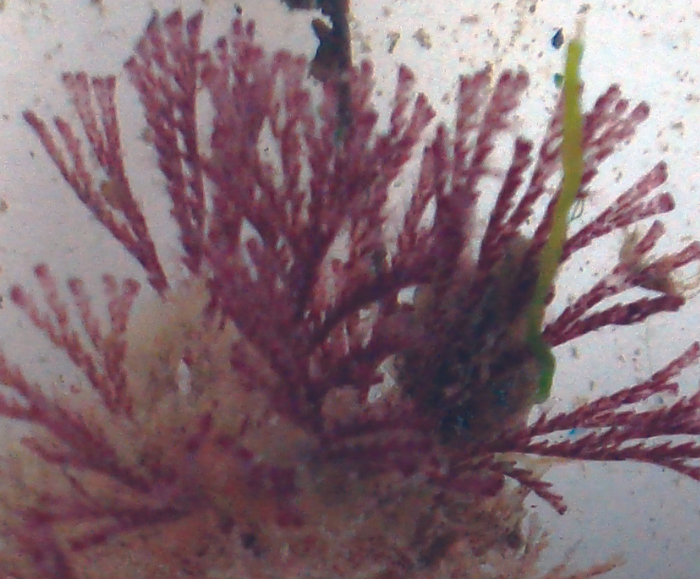
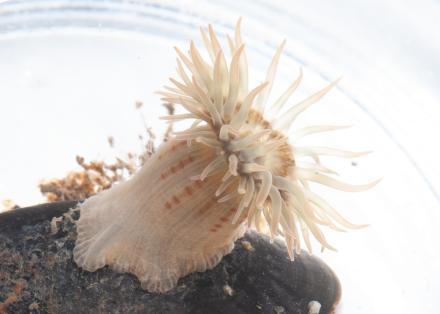
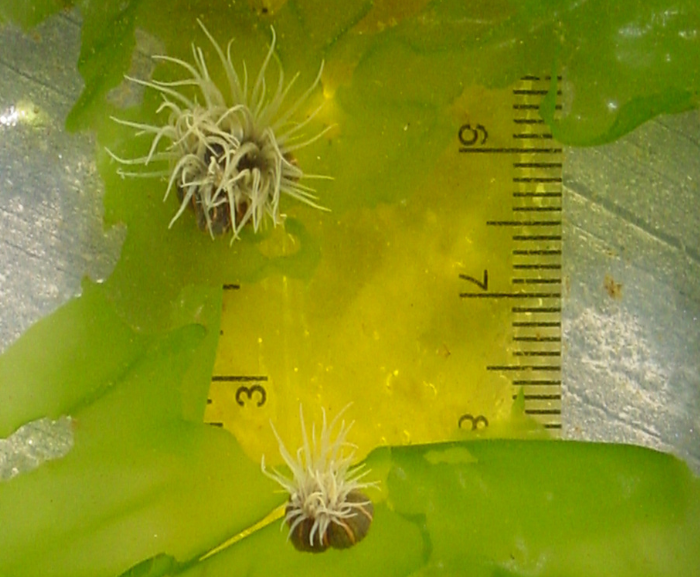
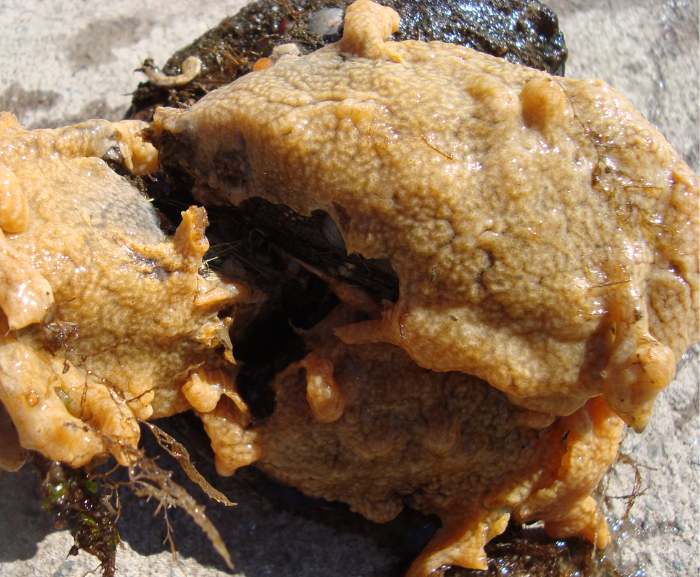
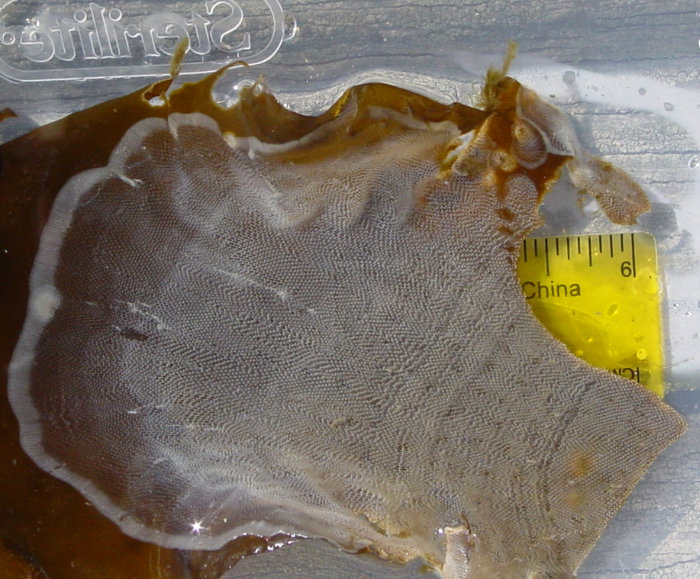
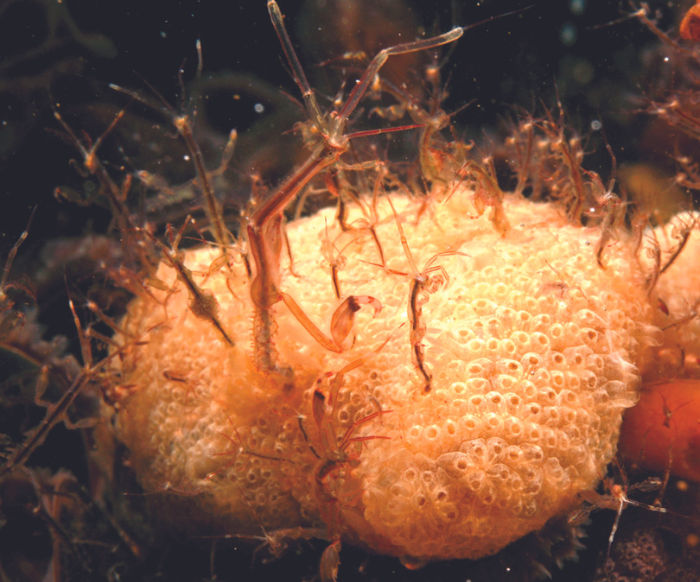
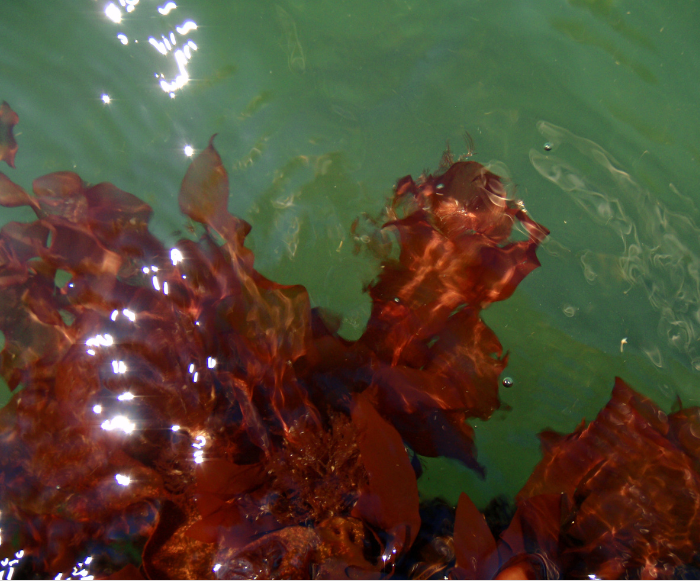
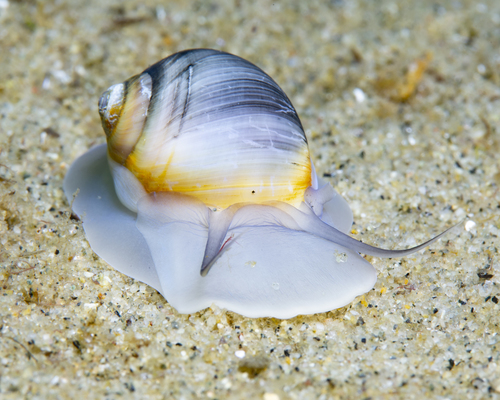
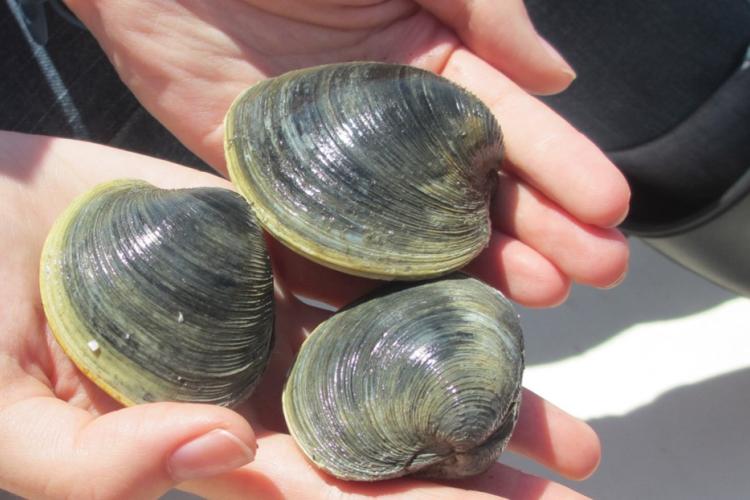
At each site, volunteers spend an hour carefully searching for 22 target species, which is 4 more than last year. One of those species included the Manila Clam Ruditapes philippinarum, which was brought to attention with the help of SSCW’s monitoring last season. You can read more about the Manila Clam in this paper that our very own Alison Frye co-authored.
Our monitoring sites are made up of a tidepool, cobble shorelines, and a floating dock; bringing in a wide range of habitats that all widely vary in species types and abundance. In addition to documenting each of the 22 species, we also recorded environmental data like surface temperature and salinity. All data has been sent to CZM for 2026, and we look forward to seeing the 2026 Year in Review Report. If you would like to see last years, you can find it here.
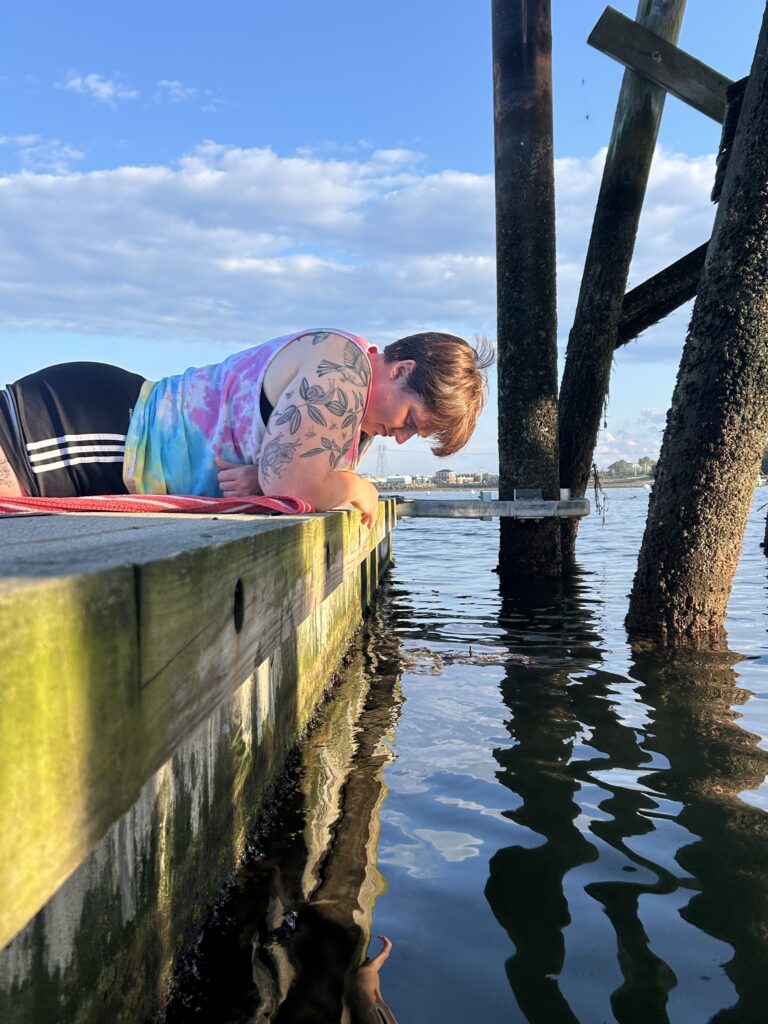
The big question is: what is the purpose? MIMIC is only a monitoring establishment. We cannot take out all the invasives we find, simply because that is a huge task and more importantly we need to understand them. The 22 species were chosen because they are identifiable in the field, commonly occur in monitored habitats, and are of scientific or management interest. The purpose of monitoring these invasives is to understand patterns of established invaders, detect new non-native species, educate the public, and of course, get outside!
Thank you to each and every one of the 31 volunteers who were eager to learn and get their hands and feet dirty during these sessions. Your curiosity, time, and commitment to the coast does not go unnoticed by everyone at SSCW, CZM, and partner organizations. We are grateful for everything you contribute to understanding and protecting Salem Sound.