Resources
Photo Credit: Jeff Hannigan
Resources
Photo Credit: Jeff Hannigan
Find resources to inform your passion for the local environment and learning.
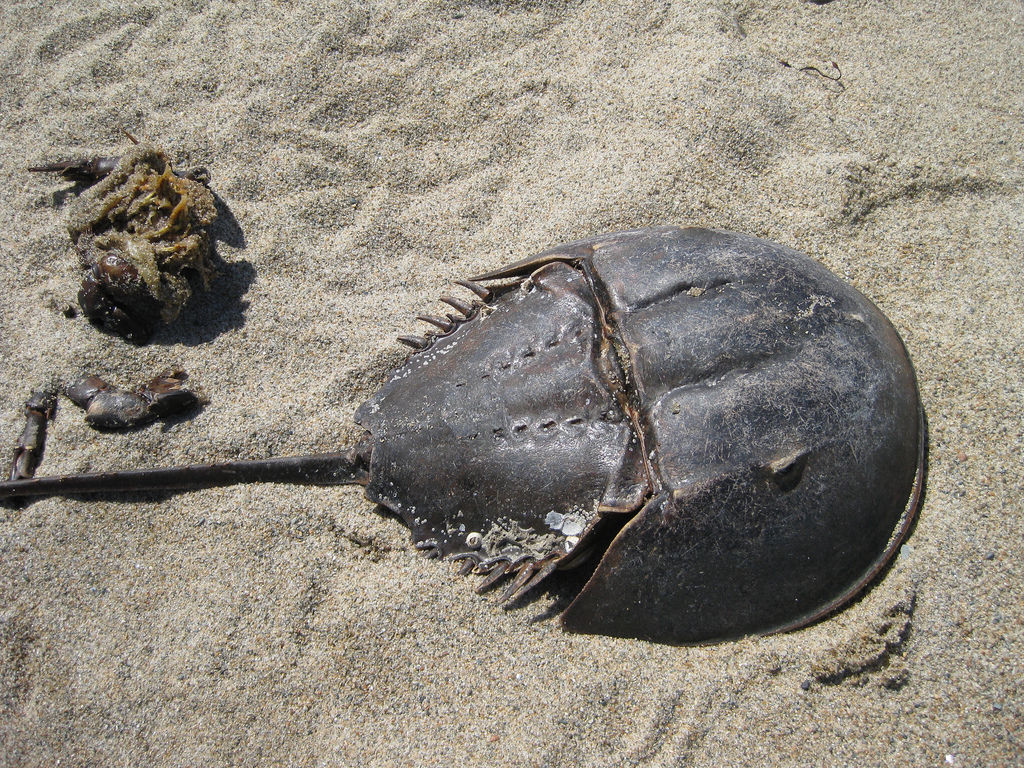
Horseshoe Crab Community Scientist Training Video and Horseshoe Crab Survey Designed by our Associate Director Alison Frye, this survey is part of our new Horseshoe Crab initiative and will culminate with a celebration of the species on International Horseshoe Crab Day on June 20. Please take this survey if you spot a live, dead, or molt of a horseshoe crab, or see a pair spawning/mating.
Marblehead MVP Report, MVP Risk Matrix and public listening session slide MVP presentation – see more about Marblehead’s resilience work.
Salem MVP Report and MVP Risk Matrix
Manchester-by-the-Sea MVP Report, MVP Risk Matrix, and public listening session MVP slide presentation: Barbara Warren, as a certified Municipal Vulnerability Preparedness provider, worked with the following communities on their Community Resilience Building and MVP designation.
Manchester Coastal Flooding Salem Sound Coastwatch is on the steering committee for this Coastal Vulnerability Action Plan that will develop a conceptual action plan to reduce coastal flood risks and increase coastal resilience at the neighborhood scale for the critical assets – Town Hall, Wastewater Treatment Plant, and the downtown commercial district. Building on past studies, the plan will provide a roadmap to reduce coastal flood risks and develop a phased approach to establishing action-oriented mitigation measures.
Drifters – Ocean Currents in the Gulf of Maine and STEM Education Presented by Alex Borreil, Education & Research Coordinator at Salem Sound Coastwatch, on May 20th, 2026.
Legacy Nutrients Below: Sediment’s Role in Salem Harbor Water Quality Presented by Dr. Brad Hubeny, Professor and Lab Director at Salem State University & Renee Veresh, Manager of Viking Environmental Stable Isotope Lab at Salem Sate University on April 15th, 2026.
Beverly ‘s Ghost Gear Challenge: A Winter Recovery Mission Presented by Capt. Peter Dickman, Beverly Harbor Master on March 18th, 2026.
WinterBirding in Salem Sound Presented by Robert Robert Buchsbaum, recently retired after a 32 year career as a Coastal Ecologist with Mass Audubon and Anna Sheridan, Project Specialist and Greenscapes Coordinator at Salem Sound Coastwatch on February 18th, 2026.
Swimming North: How Fish Adapt to Climate Change Presented by Estefany Argueta, PhD Candidate in Dr. Lisa Komoroske’s lab at UMass Amherst on May 21st, 2025.
Waste Water Treatment for a Cleaner Environment
Presented by David Michelsen, South Essex Sewerage District Executive Director on April 16th, 2025.
Saving our Shoreline 2025
Presented by Barbara Warren, Salem Sound Coastwatch’s Executive Director on March 19th, 2025.
Sequencing the Sea
Presented by Jennifer Polinski, Senior Research Associate at the Gloucester Marine Genomics Institute (GMGI) on February 19th, 2025.
Stone Living Lab’s Living Seawalls Project
Presented Presented by Joe Christo, Managing Director for the Stone Living Lab and Boston Harbor Now Chief Resilience Officer, and Jarrett Byrnes, Associate Professor at UMass Boston, on January 15th, 2025.
Drains, Pains, and Coastal Water Quality
Presented by Barbara Warren, SSCW Executive Director, Susan Marsh, SSCW Community Engagement Manager, and Rebecca Dupont-Coutu, Senior Project Scientist at New England Civil Engineering on April 10th, 2024.
Saving Our Shoreline 2024: Building Resilience across Salem Sound Communities
Presented by Barbara Warren, Executive Director at SSCW, on March 20th, 2024.
School to Sea: Spawning Future Environmental Leaders
Presented by Carly McIver, School to Sea Director at SSCW, on February 21st, 2024.
Presented by Alison Frye, SSCW Associate Director, and Lexie Neffinger, Coastal Habitat and Water Quality Specialist at the Massachusetts Office of Coastal Zone Management (CZM), on January 17th, 2024.
Horseshoe Crabs: An Ancient Species in the Modern World
Presented by Alison Frye, SSCW Associate Director, on April 19th, 2023.
What’s Happening at Cat Cove Marine Lab – Past, Present, and a Very Bright Future
Presented by Mike Armstrong, Deputy Director of Massachusetts Division of Marine Fisheries (MADMF) at Cat Cove Marine Laboratory, on March 15th, 2023.
Shoebert’s Shenanigans and Other Seal Stranding Stories
Presented by Ainsley Smith, Regional Marine Mammal Stranding Coordinator at the National Oceanic & Atmospheric Administration (NOAA), on February 15th, 2023.
Saving Our Shoreline 2023: Building Resilience across Salem Sound Communities
Presented by Barbara Warren, Executive Director at SSCW, on January 18th, 2023.
Setting Baseline for Water Quality and Benthic Conditions in Salem Sound
Presented by Prassede Vella, Staff Scientist at MassBays National Estuary Partnership, on May 18th, 2022.
Eelgrass: Science to Inform Policy
Presented by Emily Flaherty, former School to Sea Director at SSCW, on April 20th, 2022.
Ensuring Wildlife and Habitat Protection as Offshore Wind Power Becomes a Reality
Presented by Amber Hewett, Offshore Wind Energy Program Director at the National Wildlife Federation (NWF), on March 16th, 2022.
What’s Causing the Murky Water in Salem Harbor?
Presented by Dr. Brad Hubeny, Lab Director of the Viking Environmental Stable Isotope Laboratory (VESIL) at Salem State University, and Renee Veresh, Laboratory Manager of VESIL, on February 16th, 2022.
Saving Our Shoreline 2022: Building Resilience across Salem Sound Communities
Presented by Barbara Warren, Executive Director at SSCW, on January 19th, 2022.
Talking Trash for Clean Oceans Internship Update
Presented by Margaret Tran, former School to Sea Director & Greenscapes Coordinator at SSCW, and Salem & Lynn High School Students, on April 28th, 2021.
Geologic History and Evolution of the North Shore
Presented by Dr. Lindley Hanson, professor emerita at Salem State University, on February 24th, 2021.
Massachusetts Coastal Resources at Risk: Ada K. Damon Shipwreck on Steep Hill Beach, Ipswich
Presented by David Robinson, Director and Chief Archaeologist for the Massachusetts Board of Underwater Archaeological Resources (BUAR), on January 27th, 2021.
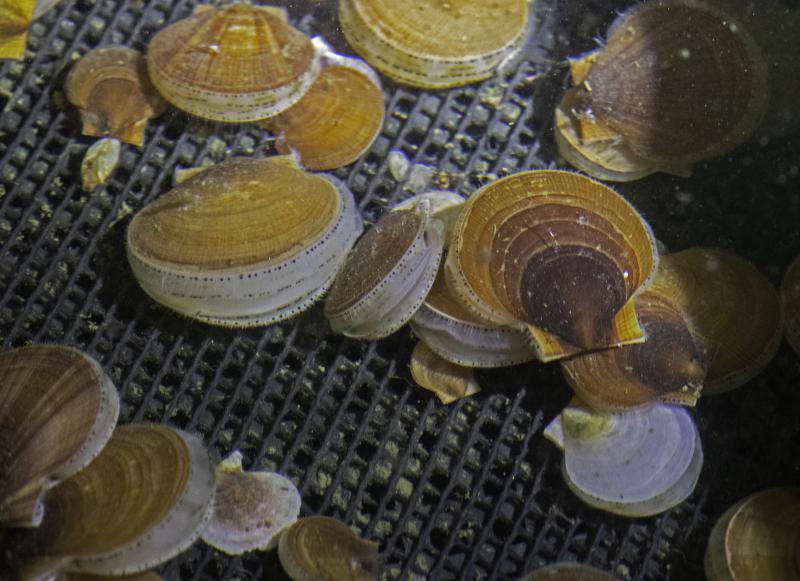
Sea Scallops on Acid: How Will Ocean Acidification Impact New England’s Most Charismatic Bivalve?
Presented by Louise Cameron, Northeastern University PhD candidate, on January 29th, 2020.
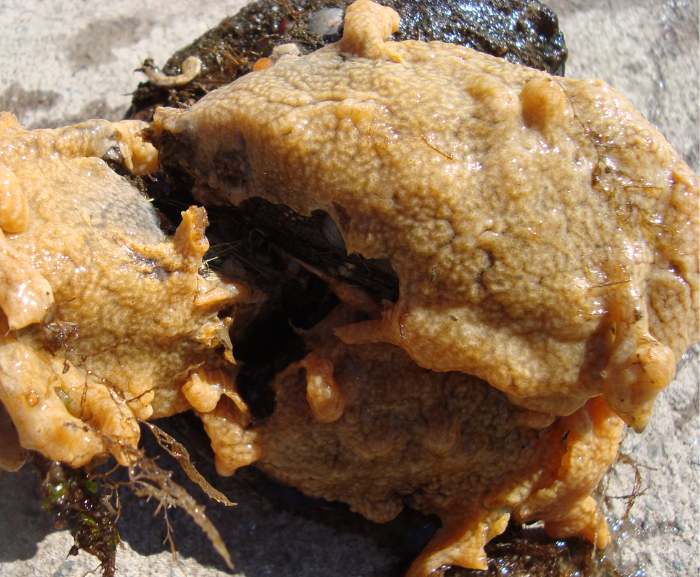
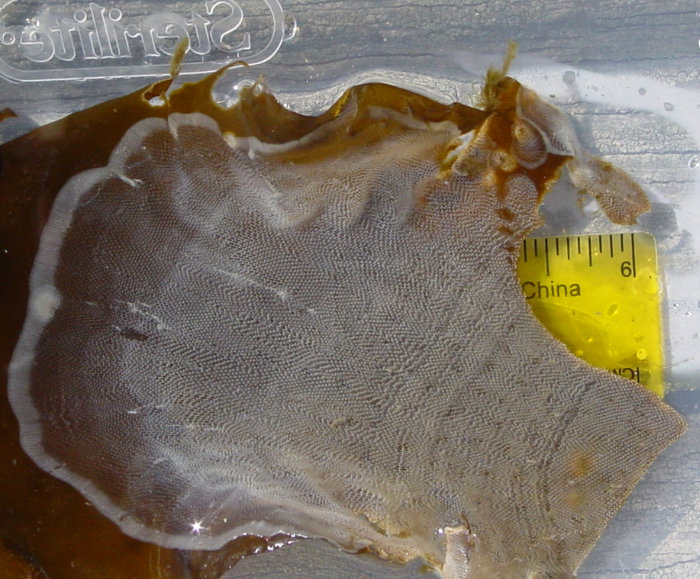
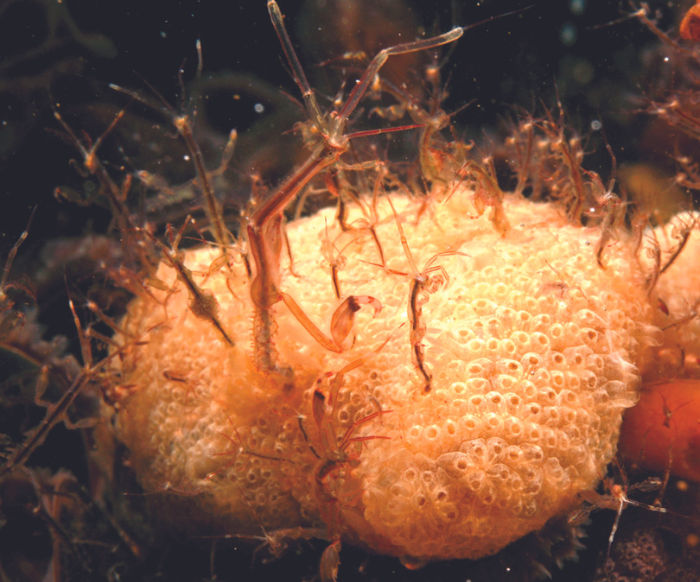
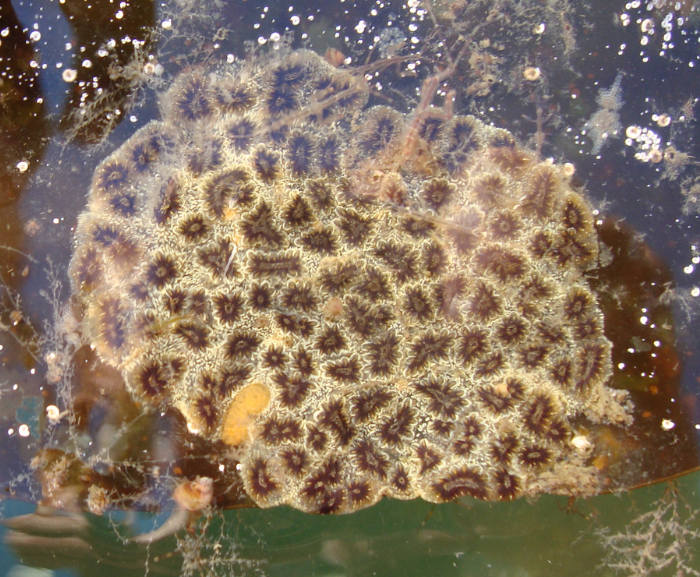
Marine Invasive Species Report – 2008-2024: Salem Sound Coastwatch has monitored marine invasive species at docks, in tidepools, and along the rocky shore every summer for the past 20+ years with the help of community science volunteers. As a founding member of the Marine Invader Monitoring and Information Collaborative (MIMIC), we share the data collected with our volunteers with the MA Office of Coastal Zone Management, who tracks of the abundance of marine invaders along the North Atlantic coast.
Horseshoe Crab Report – 2023-2025: The Horseshoe Crab Survey is an initiative utilizing volunteer community scientists to report horseshoe crab sightings through a digital app. Salem Sound Coastwatch (SSCW) and our volunteers have been collecting data on the population of North Shore horseshoe crabs for the past two years, which has allowed us to gain new insights into the trends and behaviors unique to our local population of horseshoe crabs.
Pickman Park, Salem Phragmites Study– 2007-2017: Salem State University Biology professor, Dr. Alan Young and his students worked with SSCW to test three methods of Phragmites australis removal.
Residential Docks over Eelgrass and Salt Marsh–Assessing the Impacts: Regulations, impacts, BMPs and research associated with small docks over sensitive coastal habitats were discussed at the Massachusetts Association of Conservation Commissions Annual Environmental Conference, 10/24/2020. Speakers: Jill Carr – MassBays, Kate Frew and John Logan from DMF and Barbara Warren -SSCW and MassBays.
Multi-faceted monitoring of estuarine turbidity and particulate matter provenance– Case study from Salem Harbor: Science of the Total Environment (2017), pp. 629-641. Bradford Hubeny, Melanie Kenney, Barbara Warren, Jeremy Louisos. DOI:10.1016/j.scitotenv.2016.09.081. USA Article reference: STOTEN20907
Final version published online: 14-OCT-2016
Multi-Century Record of Anthropogenic Impacts on an Urbanized Mesotidal Estuary– Salem Sound, MA: Estuaries and Coasts, Journal of the Coastal and Estuarine Research Federation (March 2018) Volume 41, Issue 2, pp 404-420. J. Bradford Hubeny, Ellen Kristiansen, Andrew Danikas, Jun Zhu, Francine M. G. McCarthy, Mark G. Cantwell, Barbara Warren, Douglas Allen. DOI: 10.1007/s12237-017-0298-y. Published online: 7 August 2017.
Rising Sea: SSCW partnered with Maritime Gloucester and Friends of Good Harbor on the Bruce J. Anderson funded project: RISING SEA. Seasonal monitoring began in August 2014 with the assistance of trained student interns and local citizens to collect long-term data to identify impact of sea level rise on marsh functions.
Old Creek Salt Marsh Report– SSCW Completed the Old Creek Salt Marsh Assessment and Management plan for Salem State University as part of their Phase III: Restoration Assessment and Strategy. Seasonal monitoring took place from August 2009 through June 2011 with the assistance of trained SSU student interns and local citizens.
Clark Pond, Manchester Wetlands Assessment: In 2010, SSCW conducted pre-restoration vegetation, nekton, and salinity monitoring and again in 2011 after the tidal restrictions were removed. The project was funded by the MA Division of Ecological Restoration.
Upper Mill River Clam Study – 2008-2010: SSCW conducted a benthic survey to monitor changes in the Mill River intertidal zone (formerly an impoundment) after the tide gate in Gloucester was opened.
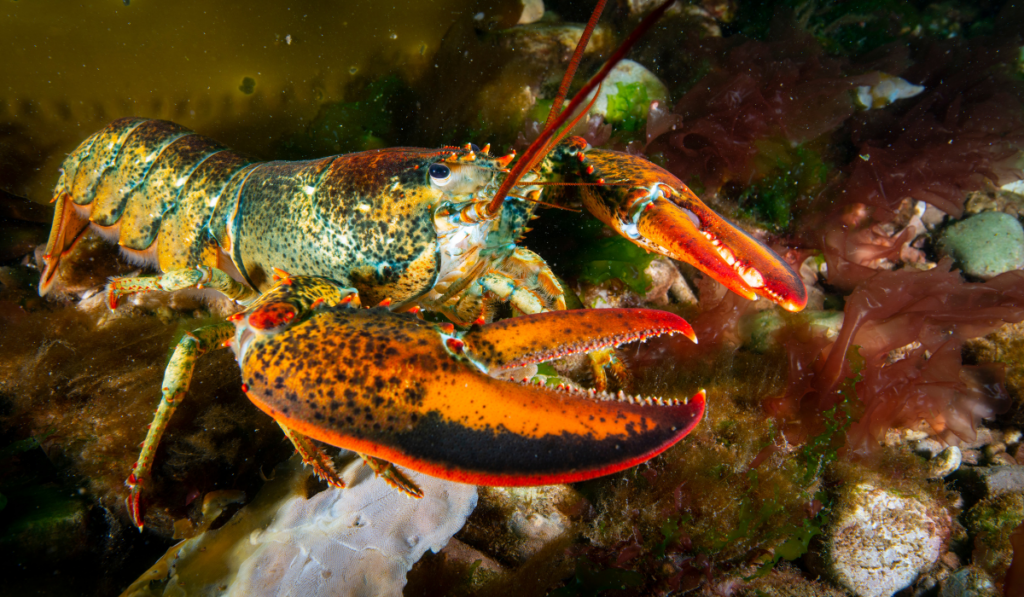
Lobster Trap Fouling Study – 2010: Through a partnership with local commercial lobstermen and funding from MA CZM, SSCW was able to expand coastal monitoring of marine invasive species to the deeper waters of Salem Sound. Fouling organisms on traps were identified and cataloged, with some interesting results.
Pickman Park, Salem Phragmites Study – 2007-2011: Salem State University Biology professor, Dr. Alan Young and his students worked with SSCW to test three methods of Phragmites australis removal.
Tufts University Department of Urban and Environmental Policy and Planning Has completed the following four projects for Salem Sound Coastwatch:
- Planning for Effective Pond Management in the Salem Sound Watershed 2010 (PDF 5.2 MB)
- Climate Change: Ready or Not Report – May 2008 (PDF 3.8 MB)
- Creating a New Place: A Concept Plan for 15 Peabody Street 2007 (PDF 32 MB)
- Nurturing the Recovery of the North River: A Practical Vision 2004: Download the report (PDF 22 MB) and Appendices & References (PDF 7 MB)
A Citizen’s Guide to Monitoring Marine Invasive Species Created by SSCW to provide online help for our volunteers and others to learn about marine invasive species identification and monitoring.
Upper Mill River Clam Study – 2008-2010 Salem Sound Coastwatch conducted a benthic survey to monitor changes in the Mill River intertidal zone (formerly an impoundment) after the tide gate in Gloucester was opened.
Upper Mill River Clam Study Presentation – 2008-2010 Salem Sound Coastwatch conducted a benthic survey to monitor changes in the Mill River intertidal zone (formerly an impoundment) after the tide gate in Gloucester was opened.
“Using Green Infrastructure to Treat and Control Stormwater in Coastal Communities”: Guidance document developed by MassBays in partnership with EPA, December 2014. EPA 842-R-14-004
Final Pathogen TMDL for the North Coastal Watershed March 2012 (Control Number CN: 155.0)
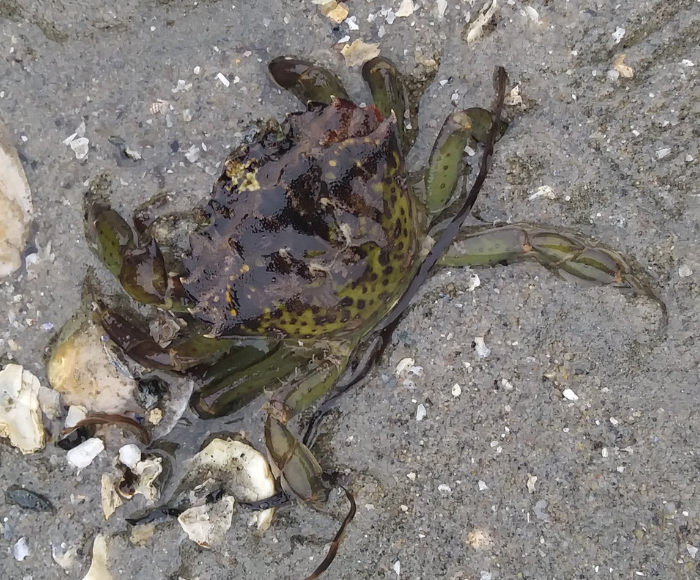
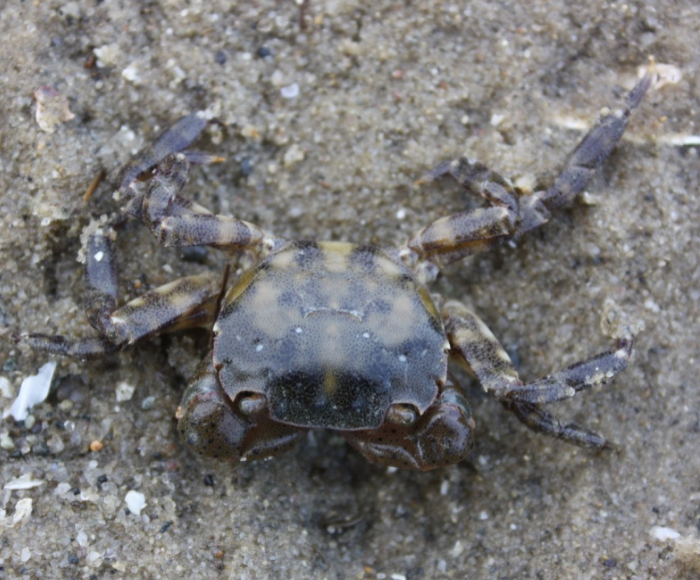
Life History and Populaltion Dynamics of Green Crabs (Carcinus maenas) Young, A.M., Elliott, J.A. Fishes 2020, 5(1)., 4; https://doi.org/10.3390/fishes5010004. Dec 31, 2019.
Seasonal catch, size, color, and assessment of trapping variables for the European green crab in Salem Sound Young, A.M., Elliott, J.A., Incatasciato, J.M. & Taylor, M.L. 2017. Seasonal catch, size, color, and assessment of trapping variables for the European green crab Carcinus maenas (Linnaeus, 1758) (Brachyura: Portunoidea: Carcinidae), a nonindigenous species in Massachusetts, USA. Journal of Crustacean Biology 1-15 doi:10.1093/jcbiol/rux068
Historic eelgrass trends in Salem Sound, Massachusetts Final Report Jillian Carr and Kathryn Ford. Massachusetts Division of Marine Fisheries, Submitted to Massachusetts Bays National Estuary Program. June 2017.
The Marine Resources of Salem Sound, 1997 Technical Report TR-6, MA DMF, DFWELE, EOEA by Bradford C. Chase, Jeffrey H. Plouff, and Wayne M. Castonguay (PDF 5.6 MB). A wealth of Salem Sound information!
Fate and Transport Modeling of Contaminants in Salem Sound 2001 ASA Report 00-031. Report to the Marine Monitoring and Research Technical Series, MMRTS-01-01. (PDF 14 MB) Hydrodynamic simulations of Salem Sound to predict the fate and transport of wastewater effluent and contaminants from the South Essex Sewage District (SESD) in Salem Sound (1985).
Rainbow smelt (Osmerus mordax) spawning habitat on the Gulf of Maine coast of Massachusetts 2006 by Bradford C. Chase. Technical Report TR-30, MA DMF, DFWELE, EOEA
2010 Massachusetts Bays Program State of the Bays Report tracks the condition of seventeen indicators of the health of Massachusetts and Cape Cod Bays under the categories of Water Quality, Living Resources, and Human Uses and Planning, and reports on such topics as changes in the water chemistry of Boston Harbor due to improved wastewater management, causes of Harmful Algal Blooms, trends in eelgrass beds throughout Massachusetts Bay, and acreage of land protected since our last State of the Bays Report. The first State of the Bays publication, released in 2004, is also available at the above web site.
Inventory of Public Seawalls and Other Structures Prepared for the MA Office of Coastal Zone Management (CZM) and the Department of Conservation and Recreation (DCR) from 2006 to 2009, the Massachusetts Coastal Infrastructure Inventory and Assessment Projectreports include condition ratings and estimated repair or reconstruction costs for publically owned seawalls, revetments, groins, jetties, and other structures.
25th Anniversary Symposium – 2016 “Finding Solutions to our Coastal Challenges” — Presentations on local coastal resilience case studies, dredging, moorings in eelgrass, salt marshes, sea level rise, and SSCW’s monitoring.
- Welcome + Intro to SSCW – 25 years Presented by Dr. Alan Young, Salem Sound Coastwatch President & SSU Biology.
- Climate Change and Extreme Weather Vulnerability Assessment and Adaptation Options for the Central Artery/Tunnel, Boston, Massachusetts Presented by Dr. Ellen Douglas, Associate Professor of Hydrology at UMass Boston, who set the stage for how important planning is for climate induced flooding by providing an overview of work she has done with Mass DOT on the Central Artery Tunnel
- Creating a Vision for the Downtown Peabody North River Corridor Presented by Fred Merrill, Principal, Sasaki consulting with the City of Peabody.
- A Community Plans for Coastal Resilience, Manchester-by-the-Sea Presented by Janet Moonan, P.E., Project Engineer, Tighe & Bond.
- A 21st Century Approach to Stormwater – Commercial and Canal Streets Presented by David Knowlton. P.E., Salem City Engineer.
- Creating Living Shorelines — Using Natural Solutions to Build Resilience Presented by Barbara Warren, Salem Sound Coastwatch Executive Director.
- Dredging in Salem Sound Presented by Bob Boeri, MA Office of Coastal and Zone Management.
- Sleuthing for Toilets that Flush into the Sound —Removing Illicit Connections Presented by Rebecca Dupont-Coutu, Senior Project Scientist New England Civil Engineer.
- Can Moorings Protect Eelgrass and Boats? Presented by Bione Pike, Manchester-by-the-sea Harbormaster.
- How Will Sea Level Rise Change Our Tidal Marshes? Presented by Dr. Gregg Moore, Associate Research Professor, UNH.
- Finding Solutions to our Coastal Challenges —Eyes on the Coast Presented by Barbara Warren, Salem Sound Coastwatch Executive Director Gregg Moore, Associate Research Professor, UNH.
Greenscapes Low Impact Development (LID) Toolkit Developed by the Greenscapes North Shore Coalition to spread awareness of LID and its importance in our communities in the North Shore of Massachusetts and across the state.
EPA Urban Runoff: Low Impact Development (LID) Developed by the EPA to implement LID principles and practices.
University of New Hampshire Stormwater Center UNH developed a dynamic research, testing and educational facility which serves as a technical resource for water managers, planners, and design engineers in New England and throughout the United States.
Pepperweed: New Watershed Invasive Plant and How to Identify Perennial Pepperweed from May through Late Fall Developed by Salem Sound Coastwatch and New Hampshire Coastal Program.
Videos
Building Rain Gardens to Treat Storm Water
Produced by Salem Sound Coastwatch, filmed by Perry Hallinan, and funded by MA Office of Coastal Zone Management.
Produced by Salem Sound Coastwatch, filmed by Perry Hallinan, and funded by MA Office of Coastal Zone Management.
Peabody-Salem Resilient North River Corridor & Riverwalk Connection Public Forum
Most recent public meeting on the ongoing North River Corridor & Riverwalk Connection Project, funded by an MVP Action grant and developed in collaboration with the Peabody and Salem Planning Departments.
Salem’s Industrial Heritage Along a Changing Shoreline
Part of Preservation in a Changing Climate 2021: Keeping History Above Water Salem, this walking tour features SSCW’s Executive Director Barbara Warren and Vijay Joyce, founder of Rekindled History.
Salem’s Colonial Maritime Sites & Rising Tides
Part of Preservation in a Changing Climate 2021: Keeping History Above Water Salem, this walking tour features SSCW’s Executive Director Barbara Warren and David Moffat, Lead Researcher & Senior Tour Guide at the House of the Seven Gables.
Greening the Gateway Cities MA Urban Canopy Project: How to Take Care of Your New Tree
Developed by Salem Sound Coastwatch as part of a grant from Greening the Gateway Cities, and in partnership with DCR Forestry.
Talking Trash 4 Clean Oceans
Produced by Van Ness Creative. Talking Trash 4 Clean Oceans is a high school internship held by Salem Sound Coastwatch. Students who take part learn about marine debris and it’s affects and develop service learning projects to help prevent marine debris.
The Canary in the Coal Mine – Our Ocean
Dr. Mike Armstrong of the MA Division of Marine Fisheries describes the changes taking place in our ocean due to climate change. Excerpted from his March 2014 presentation, “Changing Climate, Changing Fishes” at Salem Sound Coastwatch’s Underwater in Salem Sound Lecture Series.
A Climate Calamity in the Gulf of Maine Part 2: Acid in the Gulf
A short animation about the potential impact of ocean acidification on sea life in the Gulf of Maine. Produced with support from Maine Sea Grant, Dalhousie University, MEOPAR (Marine Environmental Observation Prediction and Response Network), NERACOOS (The Northeastern Regional Association of Coastal Ocean Observing Systems) and NECAN (Northeast Coastal Acidification Network).
Green Stormwater Infrastructure Maintenance Videos
SSCW developed six videos in English & Spanish for the City of Salem and MA Coastal Zone Management on how to maintain rain gardens, bioswales, and other practices to clean stormwater before it enters Salem Sound.
- Inspection and Maintenance of Rain Gardens
Vídeo en Español - Forest River Park Green Stormwater Bioretention System
Vídeo en Español - Winter Island High Performance Biofiltration System
Vídeo en Español - Commercial Street High Performance Biofiltration System
Vídeo en Español - Catch Basin Filter Cartridge Replacement
Vídeo en Español - Inspection and Maintenance of Catch Basins with Filter-Bag Inserts
Vídeo en Español
- Inspection and Maintenance of Rain Gardens
Residential Docks over Eelgrass and Salt Marsh: Assessing the Impacts
Regulations, impacts, BMPs, and research associated with small docks over sensitive coastal habitats were discussed at the Massachusetts Association of Conservation Commissions Annual Environmental Conference, 10/24/2020. Speakers: Jill Carr – MassBays, Kate Frew and John Logan from DMF and Barbara Warren -SSCW and MassBays.
The Power of Salt Marshes
Barbara Warren shares the importance of salt marshes on Chronicle’s show on Salt (WCVB Channel 5).
Marblehead Coastal Resilience Projects
Marblehead Municipal Light Department and Adjoining Public Lands Coastal Resilience Adaptation Strategies (MA CZM grant FY2022) Updated Flood Risk Analysis (3/28/22 ) and Final Project Presentation (6/9/22).
Peabody Coastal Resilience Projects
Salem Sound Coastwatch was a participant in the City of Peabody’s Municipal Vulnerability Preparedness (MVP) Action Plan and continues to work with Peabody primarily on North River projects like Municipal Solutions for Stormwater Problems.
Salem Coastal Resilience Projects
Salem Sound Coastwatch worked with partners and City of Salem on videos that address the changing climate and landscape and inform the public.
Sawmill Brook Survey Training Session Recording (10/6/21)
The Sawmill Brook Survey was repeated in 2009 and most recently in 2021. Volunteers are trained in what to observe as they walk along the stream.
Sawmill Brook: A Visual Survey (2020)
Learn about Saw Mill Brook in the Town of Manchester-by-the-Sea, MA.
Winter Island Park Rain Garden (2019)
The Greenscapes North Shore Coalition and Mary Melilli developed this video on the construction of the rain garden at Winter Island Park in Salem.
Story Maps
Beverly Coastal Resilience Projects
Salem Sound Coastwatch completed story maps to summarize both projects: Obear Park at 145 Livingstone Avenue for feasibility assessment and conceptual designs for green infrastructure, and a vulnerability assessment and feasibility study for the Beverly Sewerage Pump Station at 135 Water Street. For more information, see Beverly’s Climate Resilience and Adaptation webpage.
Collins Cove Living Shoreline Project
SSCW is working with the City of Salem to find natural approaches to mitigating coastal erosion and flooding problems. Two story maps explain the Collins Cove salt marsh enhancement project: Part One includes historical maps and the design and permitting process. Part Two covers the construction, planting, maintenance, and monitoring. Salem Sound Coastwatch recruited volunteers to plant the salt marsh plants and continues to monitor and maintain the site.
Discover Eelgrass in Salem Sound
This story map has a wealth of information about this critical resource for Salem Sound’s ecological health.
Acidic Waters
This story map explains SSCW’s citizen monitoring program that is building a baseline of pH levels from North Shore coastal flats, in an effort to bring this serious issue to the forefront through field data collection and public lectures.
Drain SmART
A story map of the storm drain murals artists painted across Salem to spread the word on stormwater pollution.
Salem Street Tree Assessment – Pilot Project
SSCW created an interactive story map for Salem’s street trees along entrance corridors: species, condition and maintenance needs. More on trees.